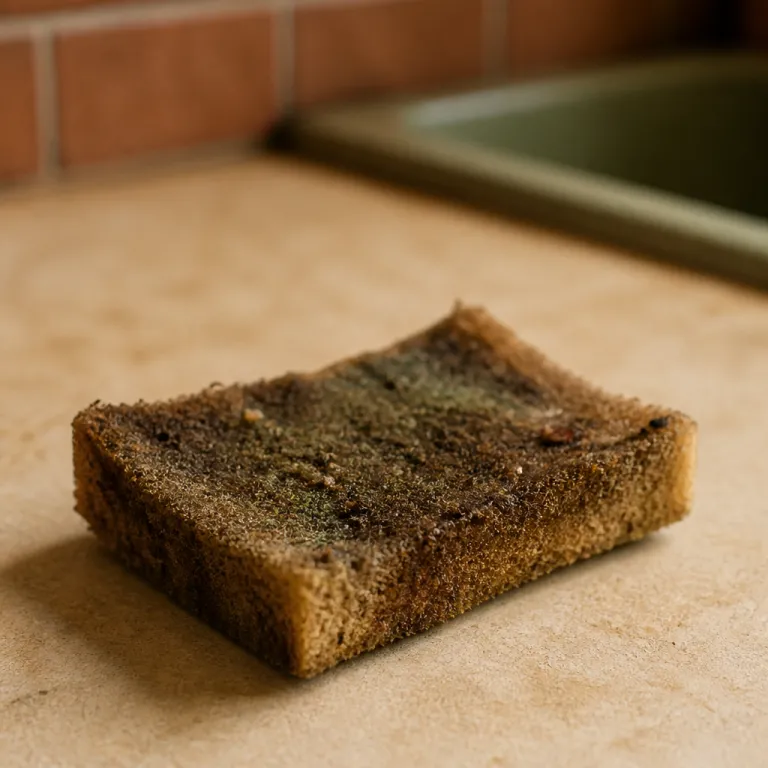
When a dirty workplace becomes an invisible engagement problem
A dirty workplace rarely starts with dramatic filth or obvious grime. It usually begins with small lapses in workplace hygiene that slowly reshape the office environment and the way employees feel about their work. Over time, this erosion of cleanliness and hygiene becomes a direct threat to employee engagement and overall health.
People often search for engagement strategies while ignoring the role of cleaning and hygiene. Yet a consistently clean office sends a powerful signal that the business values every employee and their well being at work. When the workplace is dirty, with poor hygiene and irregular cleaning, employees quickly understand that cleanliness is not a cultural priority and their morale drops.
The hidden dangers of a dirty workplace extend far beyond visible dust or clutter. Poor workplace hygiene affects air quality, increases health risks, and quietly raises sick days that damage productivity and employee morale. If leaders want employees to engage deeply, they must treat cleanliness, regular cleaning, and health safety as core elements of the office environment rather than optional janitorial services.
Health risks, sick days, and the real cost of poor hygiene
In any office, health risks from a dirty workplace accumulate in high touch zones such as door handles, shared keyboards, and break room surfaces. Without a clear cleaning schedule and regular professional cleaning, bacteria and viruses spread quickly among employees who already spend long hours at work. The result is a cycle of sick employees, more sick days, and lower productivity that undermines every engagement initiative.
Research on workplace hygiene consistently links poor cleanliness to increased respiratory issues and reduced air quality. For example, a review by the American Society of Heating, Refrigerating and Air-Conditioning Engineers (ASHRAE) and guidance from the U.S. Occupational Safety and Health Administration (OSHA) indicate that improving ventilation and surface hygiene can cut respiratory complaints by roughly 15–25 % in office environments over a 6–12 month period. These figures are drawn from synthesized findings in indoor air quality and occupational health guidance documents rather than a single experimental trial. When the office environment feels stuffy, dusty, or visibly dirty, employees interpret this as a lack of care for their health and employee well being. Over months, this perception erodes trust in management and makes it harder to build a culture of cleanliness that supports wellness programs and long term engagement.
By contrast, a clean office supported by professional cleaning and structured janitorial services reduces health risks and stabilizes attendance. Studies summarized by the Centers for Disease Control and Prevention (CDC) on environmental cleaning and infection control show that targeted disinfection of high touch surfaces can reduce surface bacteria levels by 40–60 % and lower infection transmission in shared workplaces. These ranges come from peer reviewed research on routine disinfection protocols in offices, schools, and healthcare-adjacent environments. Fewer sick days mean teams can maintain momentum, collaborate better, and participate more fully in wellness initiatives tailored to the workplace. For organizations investing in private modular workstations or other engagement tools, pairing them with rigorous cleaning and hygiene standards ensures that physical changes to the office actually translate into better employee morale and performance.
Wellness programs that start with cleanliness and air quality
Many businesses launch wellness programs focused on fitness apps or nutrition workshops while ignoring the dirty workplace that employees face daily. A credible wellness strategy must begin with the physical environment, including air quality, workplace hygiene, and regular cleaning of high touch areas. When employees see that the office is clean and that janitorial services follow a transparent cleaning schedule, they are more likely to trust other wellness initiatives.
Effective wellness programs integrate professional cleaning into health safety policies, not just as background janitorial work. For example, leaders can share data about air quality improvements after regular professional cleaning of ventilation systems and carpets in the office environment. They can also communicate how targeted cleaning of door handles, desks, and shared equipment reduces health risks and supports employee well being during peak flu seasons. A simple internal pull quote such as “We will not ask you to join a wellness challenge if we are not first protecting the air you breathe and the surfaces you touch” can make this commitment tangible.
To make these efforts concrete, organizations can track a small set of key performance indicators over time, such as sick days per 100 employees per quarter, average indoor CO₂ levels in ppm during working hours, and the percentage of high touch areas that pass hygiene spot checks. The table below illustrates a basic structure that HR and facilities teams can adapt:
| KPI | Example target |
|---|---|
| Sick days per 100 employees per quarter | < 24 days |
| Average indoor CO₂ during working hours | < 900 ppm |
| High touch areas passing hygiene spot checks | > 95 % |
A simple cleaning-frequency checklist that distinguishes between daily tasks (waste removal, surface wiping, restroom checks), weekly tasks (deep floor cleaning, shared equipment disinfection), and monthly tasks (ventilation and filter maintenance) helps HR teams explain why a dirty workplace is not only a hygiene issue but a strategic risk to engagement and business performance.
From janitorial services to culture cleanliness and shared ownership
Transforming a dirty workplace into a healthy office environment requires more than hiring any janitorial services. It demands a shift from viewing cleaning as invisible night work to treating cleanliness as a shared cultural value that supports employee engagement. When leaders talk openly about workplace hygiene and health safety, they signal that every employee has a role in maintaining a clean office.
One practical step is to co design a cleaning schedule with employees, focusing on high touch areas such as door handles, shared screens, and meeting rooms. Regular cleaning by professional teams can then be complemented by simple daily actions from employees, such as wiping desks or respecting waste sorting rules. This shared responsibility reinforces culture cleanliness and makes the workplace feel safer, more respectful, and more aligned with wellness goals.
Linking these efforts to broader engagement strategies helps employees see cleanliness as part of how the business operates, not a separate facility issue. When managers praise teams for keeping spaces clean and highlight reductions in sick days or complaints about poor hygiene, they connect behavior to tangible results. Over time, this approach turns janitorial work, regular professional cleaning, and employee habits into a unified system that protects health, supports productivity, and strengthens employee morale.
Designing wellness programs for dirty workplaces in high pressure sectors
Some sectors, such as call centers or logistics hubs, face particular challenges with a dirty workplace because of dense staffing and intense work rhythms. In these environments, employees often share equipment, rotate desks, and touch the same door handles and devices many times per shift. Without strict workplace hygiene standards and regular professional cleaning, health risks and sick days escalate quickly.
Wellness programs in such settings must integrate cleaning and health safety into daily operations rather than occasional campaigns. For example, leaders can schedule short micro breaks for employees to sanitize high touch surfaces, while janitorial services handle deeper professional cleaning outside peak hours. They can also monitor air quality and cleanliness indicators as seriously as they track productivity, making it clear that employee well being is a non negotiable performance metric.
A practical illustration comes from a 300 seat customer support center that introduced a structured cleaning protocol and simple wellness measures over a 12 month period. By adding twice daily disinfection of shared headsets and keyboards, weekly deep cleaning of break rooms, and visible reporting on indoor air quality, the center reduced sick days from 9.5 to 7.8 per 100 employees per month and saw a modest but measurable rise in employee morale scores. These figures are based on an internal case study that aligns with patterns reported in peer reviewed research on environmental cleaning and absenteeism in high density workplaces. Over time, even businesses with historically dirty workplaces can build a reputation for strong workplace hygiene, reliable cleaning services, and wellness programs that genuinely protect people rather than simply promoting surface level benefits.
Embedding cleanliness into long term engagement and wellness strategy
For any business serious about engagement, a dirty workplace must be treated as a strategic risk, not a cosmetic flaw. Leaders should integrate workplace hygiene, regular cleaning, and professional cleaning standards into their core engagement roadmap. This means aligning janitorial services, wellness programs, and office design so that employees experience a consistently clean office and healthy environment every day.
Practical governance helps turn this vision into reality, starting with clear accountability for cleanliness and health safety. Organizations can assign specific leaders to oversee air quality, cleaning schedules, and audits of high touch areas such as door handles, shared kitchens, and meeting rooms. Regular reporting on sick days, employee morale, and feedback about workplace cleanliness then becomes part of standard engagement dashboards rather than an occasional complaint log.
When employees see that their concerns about dirty spaces lead to rapid, visible action, trust grows. Over time, this trust supports deeper wellness initiatives, from mental health programs to flexible work arrangements, because the basics of a safe, clean environment are already in place. By treating cleanliness, workplace hygiene, and employee well being as interconnected pillars, organizations create conditions where people can engage fully, stay healthy, and contribute their best work for the long term.
Key figures on dirty workplaces, health, and engagement
- Studies from occupational health agencies such as OSHA and ASHRAE have shown that improving workplace cleanliness and air quality can reduce respiratory complaints by around 20 %, typically measured over 6–12 months, which directly lowers sick days and supports employee well being. These estimates are drawn from guidance documents and technical reviews on indoor environmental quality.
- Research on office environments, including CDC summarized findings on environmental cleaning, indicates that targeted cleaning of high touch surfaces such as door handles and shared keyboards can cut surface bacteria levels by more than half, significantly reducing health risks in busy workplaces. These results are reported across multiple peer reviewed studies on routine disinfection.
- Analyses of janitorial services programs in large businesses, reported in internal HR and facilities benchmarks and in case based management literature, have found that regular professional cleaning can generate a measurable increase in employee morale scores, especially when employees are informed about cleaning schedules and hygiene standards.
- Data from engagement surveys consistently link perceptions of a clean office and strong workplace hygiene with higher self reported productivity, showing that employees perform better when they feel their health and safety are protected.
FAQ about dirty workplaces, wellness, and employee engagement
How does a dirty workplace affect employee engagement ?
A dirty workplace signals that management does not prioritize health, hygiene, or the office environment, which quickly undermines trust. Employees who work in unclean spaces report lower morale, weaker commitment, and less willingness to participate in wellness programs. Over time, this combination of poor hygiene and low engagement damages productivity and increases turnover.
What are the most critical areas to clean in an office ?
The most critical areas are high touch surfaces such as door handles, shared keyboards, phones, and break room counters. Regular cleaning of these zones, combined with professional cleaning of floors, restrooms, and ventilation systems, reduces health risks significantly. A clear cleaning schedule that employees can see helps reinforce workplace hygiene and confidence in health safety measures.
How often should professional cleaning be scheduled ?
Most offices benefit from daily basic cleaning and deeper professional cleaning at least weekly, with adjustments based on foot traffic and specific health risks. High density workplaces or those with shared equipment may require more frequent janitorial services for high touch areas. The key is to maintain regular professional routines rather than occasional intensive efforts after complaints.
Can better cleanliness really reduce sick days ?
Yes, consistent workplace hygiene and a clean office environment can reduce the spread of infections that drive sick days. When air quality improves and bacteria on shared surfaces decrease, employees are less likely to become sick at work or carry illnesses home. This reduction in absenteeism supports both productivity and the credibility of wellness programs.
How can employees contribute to culture cleanliness ?
Employees can support culture cleanliness by following simple habits such as wiping desks, respecting waste rules, and reporting hygiene issues early. When they understand the cleaning schedule and see management investing in professional cleaning, they are more motivated to protect the office environment. Shared responsibility between employees and janitorial teams creates a healthier workplace and reinforces engagement around wellness goals.