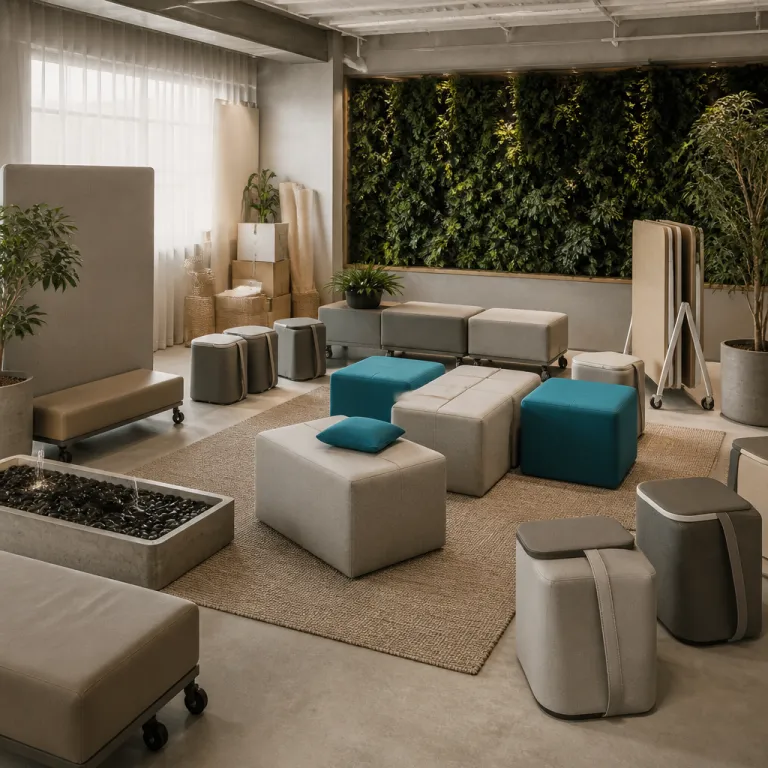
Why quick ship office furniture matters for wellness focused engagement
Employee engagement rises when people feel physically supported at work. When organisations use quick ship office furniture and fast delivery programs to refresh unhealthy layouts, they send a visible signal that wellbeing and performance matter. A modern office with certified ergonomic chairs, height adjustable desks and acoustic tables can change how teams feel within days, especially when the new products are clearly linked to a broader wellness strategy.
Many HR leaders underestimate how fast a quick ship program for office furniture can remove daily irritants that drain energy. Instead of waiting months for new models of desk or chair, a clear ship overview lets them select certified products that arrive in a few days fast, which keeps momentum behind wellness initiatives. This speed is crucial when you are trying to create space for new ways of working, such as quiet zones, collaboration areas and dedicated storage space for shared equipment that previously cluttered every table and corridor.
Wellness programs often fail because the physical office sends the opposite message. If employees sit on worn chairs at a crowded table with no storage, they will not believe in any mental health campaign, no matter how polished the slide deck. Using a ready ship office furniture option allows leaders to align words and actions, so the space itself reinforces healthier habits and more engaged work by showing that feedback about pain, noise and storage has been taken seriously.
Designing wellness programs around flexible office spaces
Effective wellness strategies start by mapping how people actually move through the office. Once you understand those patterns, you can use quick ship office furniture and other ship office solutions to test new layouts without waiting through long procurement cycles. A pilot zone with adjustable desks, supportive chairs and movable tables can be installed using ship furniture options that are designed to arrive on a predictable ship program timeline and fit within existing terms conditions for capital approvals.
For example, a company might create space for a quiet focus area by replacing four fixed desks with two sit stand models and one shared table, all selected from a quick ship office furniture catalog. Because these products are furniture designed for fast deployment, facilities teams can ship items to one floor, gather feedback, then ship office configurations to other locations if the program offers strong engagement results. This approach respects both employee wellbeing and the terms and conditions of tight capital budgets, since you can start with a small product set and expand only when data supports the change.
Wellness programs also benefit from clear communication about what will change and when. When HR can say that new chairs, desks and storage solutions are already in the ship overview and will arrive within specific days fast, employees feel that their concerns about pain, noise or clutter are finally being addressed. To deepen engagement, link these physical upgrades with coaching on focus, energy management and sphere of control, using resources such as this guide on how understanding your sphere of control can boost employee engagement.
Ergonomic furniture designed for physical and mental health
Ergonomics is not just a compliance checkbox, it is a wellness lever. A certified ergonomic chair that supports the spine and allows micro movements can reduce musculoskeletal pain, which is a major driver of absenteeism and disengagement. When such chairs are part of a quick ship office furniture range, you can roll out healthier seating across teams in a fraction of the usual time and avoid long periods where only a few people benefit from upgraded products.
Desks and tables also shape how people feel during long stretches of focused work. Height adjustable desk models, compact collaboration tables and integrated storage space help employees alternate between sitting and standing, which supports circulation and reduces fatigue, while also keeping clutter away from the immediate work zone. When these products sort easily into a ship program, facilities leaders can ship quick configurations that match different roles, such as call centre teams who need more acoustic separation or design squads who need open tables for sketching and reviewing physical models.
Mental health is influenced by the sensory experience of the office as much as by policies. Softer chairs, warmer furniture finishes and thoughtful storage solutions can lower stress, especially when combined with evidence based mental health initiatives and transparent data shared with boards, as highlighted in analyses of mental health benefits data that many CHROs underuse. When leaders pair these insights with a ready ship office furniture strategy, they can adjust layouts quickly in response to early warning signs, such as rising complaints about noise or lack of privacy.
From items cart to engaged teams: practical implementation steps
Translating wellness ambitions into reality starts with a clear inventory. Facilities and HR teams should review every chair, desk, table and storage unit, then sort items into three categories: keep, refurbish or replace with quick ship office furniture. This skip content style audit helps you focus on what truly affects wellbeing instead of getting lost in decorative details, and it also reveals where storage space or desk placement is actively undermining focus.
Next, define a small set of product models that will serve as your standard ship furniture kit. Include at least one certified ergonomic chair, one height adjustable desk, one compact collaboration table and one storage product that can expand storage space vertically rather than eating into floor space, then ensure each of these products is available through a quick ship or ready ship program. By limiting variation, you simplify the ship overview, reduce lead time and make it easier to ship items between locations when teams grow or wellness needs shift, while still allowing finishes and accessories to be tailored to each office.
Finally, connect the furniture fast rollout with broader development initiatives. When you launch new wellness zones, pair them with workshops on energy management, focus and competency building, using resources such as this analysis of competency development pathways that truly engage employees. Employees will then experience the office furniture, the learning content and the wellness narrative as one coherent program, rather than as isolated ship office projects that fade over time.
Wellness metrics, quick ship programs and executive decision making
Executives rarely approve large wellness investments without clear metrics. Linking quick ship office furniture initiatives to specific engagement and health indicators makes the business case tangible and repeatable. For example, you can track self reported pain levels, perceived focus and satisfaction with chairs, desks and tables before and after a ship program rollout, then compare those results with baseline data from similar teams that did not receive new products.
Time is a critical variable in these analyses. Because quick ship and ready ship options deliver furniture fast, you can compare teams that receive new products within days fast against control groups that remain in older layouts for a defined duration, which isolates the impact of the physical environment on engagement. When the data shows that teams in refreshed spaces log fewer complaints, lower absenteeism and higher participation in wellness activities, leaders gain confidence to expand the ship overview to more sites and to include additional product categories such as acoustic panels or specialised storage.
Transparent terms and conditions also matter for trust. Employees should know how decisions about office furniture, storage space and layout changes are made, including who selects product models and how feedback influences future ship office plans. When leaders share this information openly and respond quickly to issues, such as a certified chair that does not fit a particular role, they reinforce the message that wellness is a shared responsibility, not a one time program.
Future ready wellness spaces with adaptable office furniture
Work patterns continue to shift between remote, hybrid and on site arrangements. Organisations that rely on rigid layouts will struggle to keep wellness programs aligned with these changes, while those using adaptable quick ship office furniture can reconfigure spaces in weeks instead of years. This agility allows them to respond to new health guidelines, team structures or technology needs without derailing engagement or forcing people to work at desks and tables that no longer match their tasks.
Adaptable furniture designed for modularity, such as mobile tables, stackable chairs and reconfigurable desks, works best when supported by a reliable ship program that can ship quick replacements or additions. When a team grows, you can add matching models from the same product family, keeping visual coherence and ergonomic standards consistent, while using products sort tools in your procurement system to manage items cart efficiently. Over time, this creates a living office ecosystem where storage, collaboration zones and focus areas can expand or contract as wellness data and engagement feedback evolve.
Ultimately, the goal is to create space that feels supportive rather than imposed. When employees see that their comments about noise, posture or storage space lead to concrete changes, such as new certified chairs or better organised storage products arriving through a fast quick ship office pipeline, they are more likely to participate in wellness initiatives and share honest feedback. That virtuous cycle, powered by thoughtful ship furniture choices and responsive ship office logistics, turns the physical workplace into a daily reinforcement of your employee engagement strategy.
Key statistics on wellness, ergonomics and engagement
- A large European survey by the European Agency for Safety and Health at Work (EU-OSHA, 2019) reported that musculoskeletal disorders affect around three in five workers who perform desk based tasks, highlighting how chair and desk design directly influences wellbeing and engagement.
- Research from the Chartered Institute of Personnel and Development (CIPD Health and Wellbeing at Work Survey, 2023) found that organisations with comprehensive health and wellbeing programs are more than twice as likely to report higher employee engagement scores than those without structured wellness initiatives.
- A study published by the Journal of Occupational and Environmental Medicine (Amick et al., 2003) showed that ergonomic interventions, including improved office furniture and workstation design, can reduce musculoskeletal symptoms by up to 60 percent, which in turn lowers absenteeism and presenteeism.
- Data from the Leesman Index (Leesman Review, 2022), which analyses thousands of workplaces worldwide, indicates that employees who rate their workplace highly for comfort and functionality are over 20 percentage points more likely to report that the environment supports their productivity.
- Global research by Gallup (State of the Global Workplace, 2023) has consistently shown that highly engaged business units experience significantly lower turnover and higher productivity, reinforcing the financial case for investing in wellness aligned office design and quick ship furniture programs.
FAQ: quick ship office furniture and wellness focused engagement
How does quick ship office furniture support employee wellness programs ?
Quick ship office furniture allows organisations to replace uncomfortable chairs, outdated desks and inadequate storage with ergonomic, certified products in a short time frame, which quickly reduces physical strain and frustration. This speed helps wellness programs gain credibility, because employees see visible improvements that match the organisation’s wellbeing messages. When the physical office changes within days rather than months, engagement with broader wellness initiatives usually rises.
What types of furniture have the biggest impact on engagement ?
Ergonomic chairs, height adjustable desks and well placed collaboration tables typically have the strongest effect on daily comfort and focus. These items influence posture, movement and noise levels, which are key drivers of both physical and mental fatigue. Storage solutions that free up space and reduce clutter also contribute, because a tidy, well organised office supports concentration and lowers stress.
Can a quick ship program work in a hybrid or flexible office ?
Yes, a quick ship program is particularly useful in hybrid environments where team sizes and space needs change frequently. By standardising on a small set of modular, furniture designed products that are available through ready ship options, organisations can add or remove desks, chairs and tables as occupancy patterns shift. This flexibility keeps wellness spaces aligned with real usage instead of locking layouts into outdated assumptions.
How should HR and facilities teams measure the impact of new furniture ?
Teams should combine quantitative and qualitative data, such as pre and post surveys on comfort and focus, absenteeism records and informal feedback sessions. Comparing teams that receive quick ship office furniture against those that remain in older layouts for a defined period helps isolate the effect of the physical environment. Tracking these metrics over time shows whether the initial gains in comfort and engagement are sustained.
What procurement pitfalls can undermine wellness focused furniture projects ?
Common pitfalls include choosing non certified products that look attractive but lack ergonomic support, over customising models that cannot be replaced quickly and ignoring storage space needs. Long lead times can also erode trust if employees are promised improvements that take many months to appear. Using a well defined ship overview, clear terms and conditions and a limited set of quick ship models reduces these risks and keeps wellness goals on track.
